
Horror does not always arrive with claws, blood, or sudden noise. Sometimes it comes quietly, tightening the air in the room until breathing feels like an effort. Few modern films understand this better than The Lighthouse and The Witch. They are not merely stories about madness, superstition, or evil. They are studies of isolation as a corrosive force.
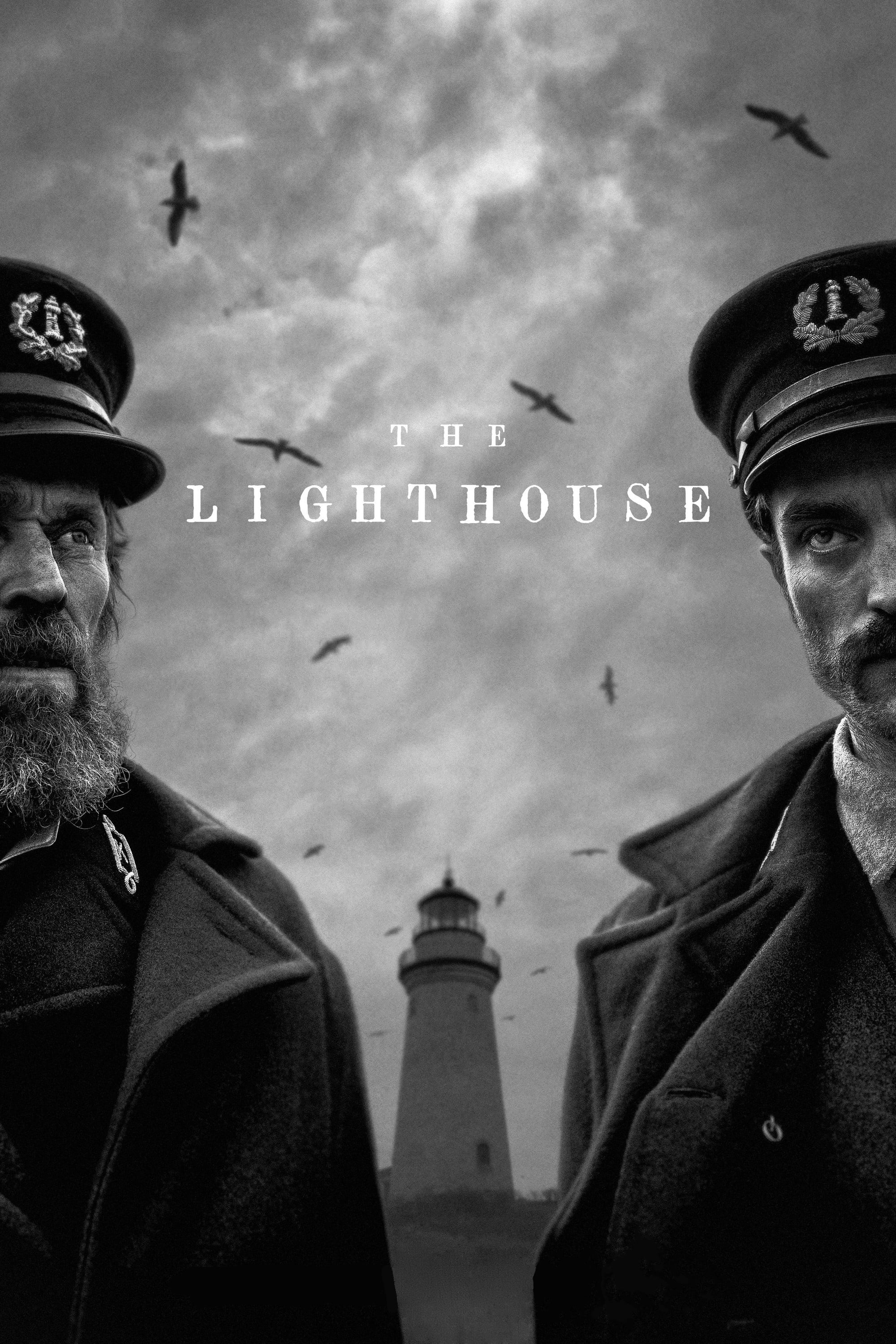
Isolation here is not a backdrop. It is the engine, the pressure system, the invisible monster that never leaves the frame. What makes these films so suffocating is not how little space they give us, but how deliberately they deny escape.
Isolation as a Closed System
Both films are built like sealed containers. The Lighthouse strands two men on a rock at the edge of the world, surrounded by water that is less a landscape than a wall. The sea does not invite travel; it forbids it.
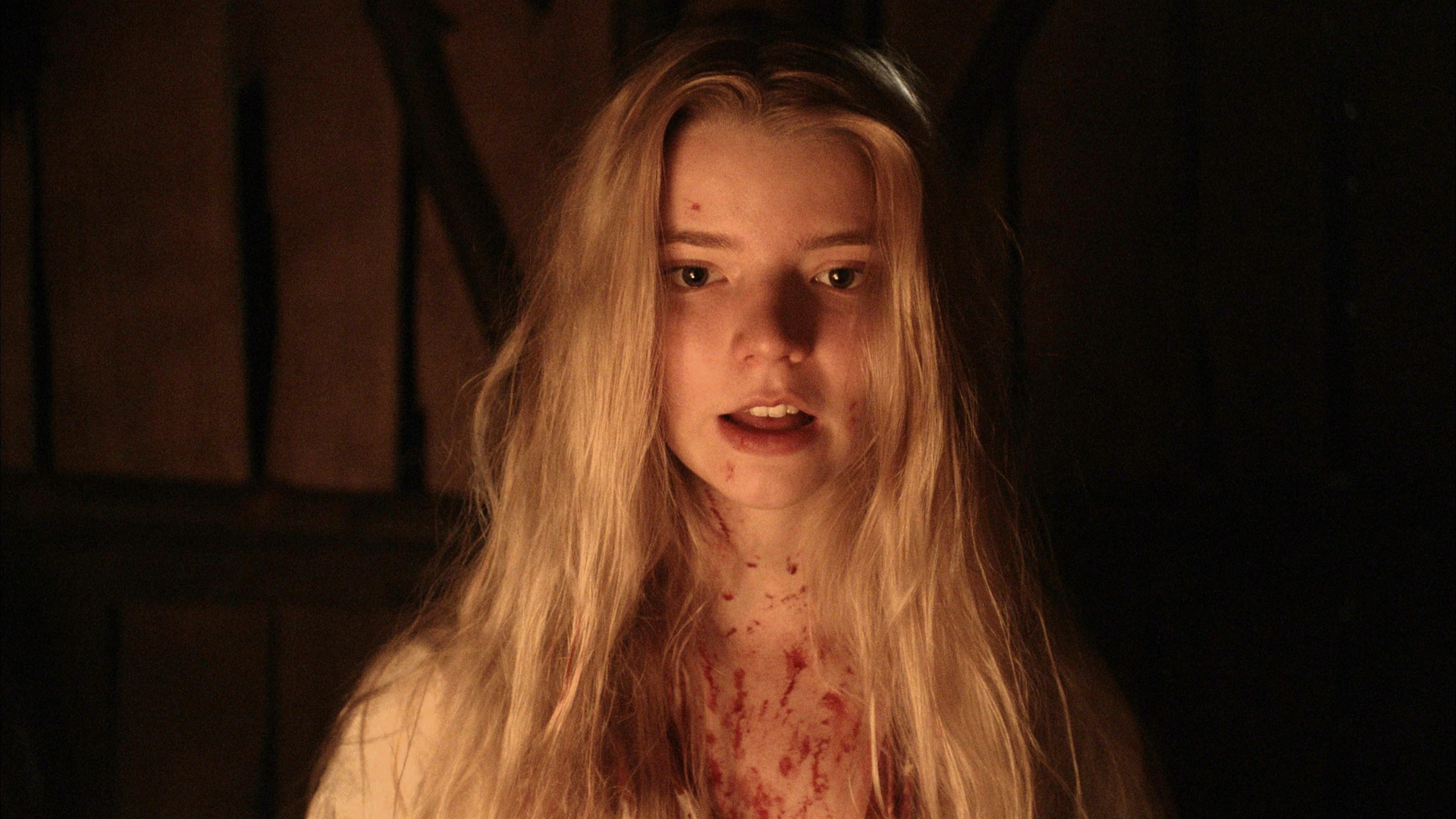
The Witch operates with a similar logic, but trades water for wilderness. The family’s exile places them just far enough from society to be unreachable, yet close enough to feel what has been lost.
| Feature | The Lighthouse | The Witch |
|---|---|---|
| Barrier | The endless Ocean | The watching Forest |
| Conflict | Man vs Man (Rivalry) | Family vs Faith (Paranoia) |
| Result | Madness & Myth | Transformation & Evil |
The Geometry of Claustrophobia
Claustrophobia is often associated with tight corridors and locked rooms, yet these films achieve it in wide-open spaces. The trick lies in geometry and repetition.
1. Vertical Confinement
In The Lighthouse, the camera boxes the characters into narrow vertical frames (aspect ratio 1.19:1), cutting off peripheral vision. The lighthouse tower becomes a spine around which the film coils. Characters climb, descend, repeat.
2. The Void of Nature
The Witch uses distance to achieve the same effect. Long shots emphasize how small and alone they are, while interiors feel dim, airless, stripped of warmth. Claustrophobia emerges not from walls closing in, but from the realization that every direction leads to the same emotional dead end.
Time Without Landmarks
Isolation erodes time. Without social rhythms, without external markers, days blur together. Both films weaponize this.
- In The Lighthouse: Storms extend indefinitely. Work cycles feel endless. Promises of relief or rotation dissolve. The characters stop measuring time in days and begin measuring it in grievances, in drinks, in hallucinations.
- In The Witch: The family marks time through religious ritual and labor, yet each passing moment only deepens suspicion. There is no sense of progress, only moral and psychological decay.
Time does not heal. It ferments.
Language as a Failing Tool
One of the most unsettling aspects of isolation in these films is the collapse of communication. In The Lighthouse, speech becomes theatrical, hostile, and circular. Words are used not to understand, but to dominate. Monologues replace dialogue.
In The Witch, language fractures along belief lines. Scripture becomes accusation. Prayer becomes paranoia. Family members speak past one another, each locked inside their own moral logic. Silence grows heavier than speech.
Why It Lingers
These films stay with us because they do not resolve isolation. They complete it. Neither film offers relief through rescue or reintegration. There is no return to normalcy. The horror is not defeated. It is fulfilled.
In the end, The Lighthouse and The Witch remind us of a deeply uncomfortable truth. Horror does not always need an external threat. Sometimes all it takes is separation, silence, and time. The rest grows on its own, in the dark, with no way out.