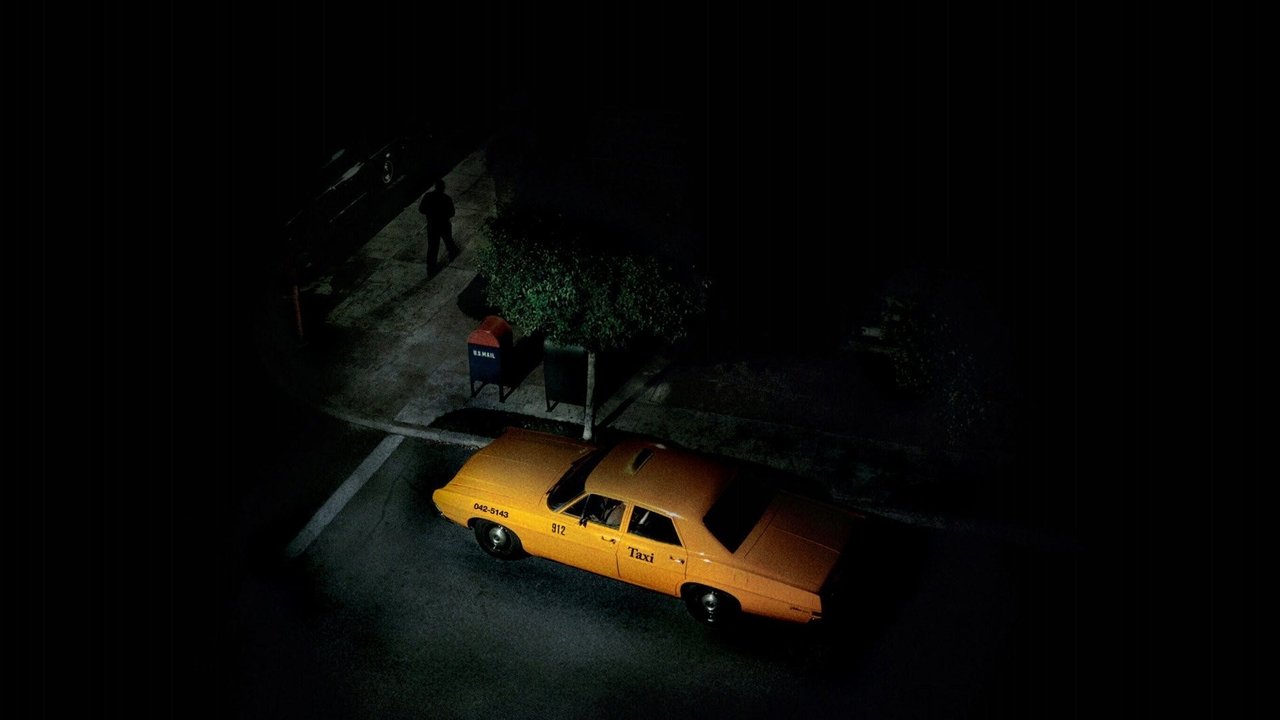
David Fincher’s cinema is often described as cold, meticulous, and controlled, but that description only grazes the surface. What truly defines his work is obsession, not as a theme alone, but as a governing principle of form, rhythm, and worldview.
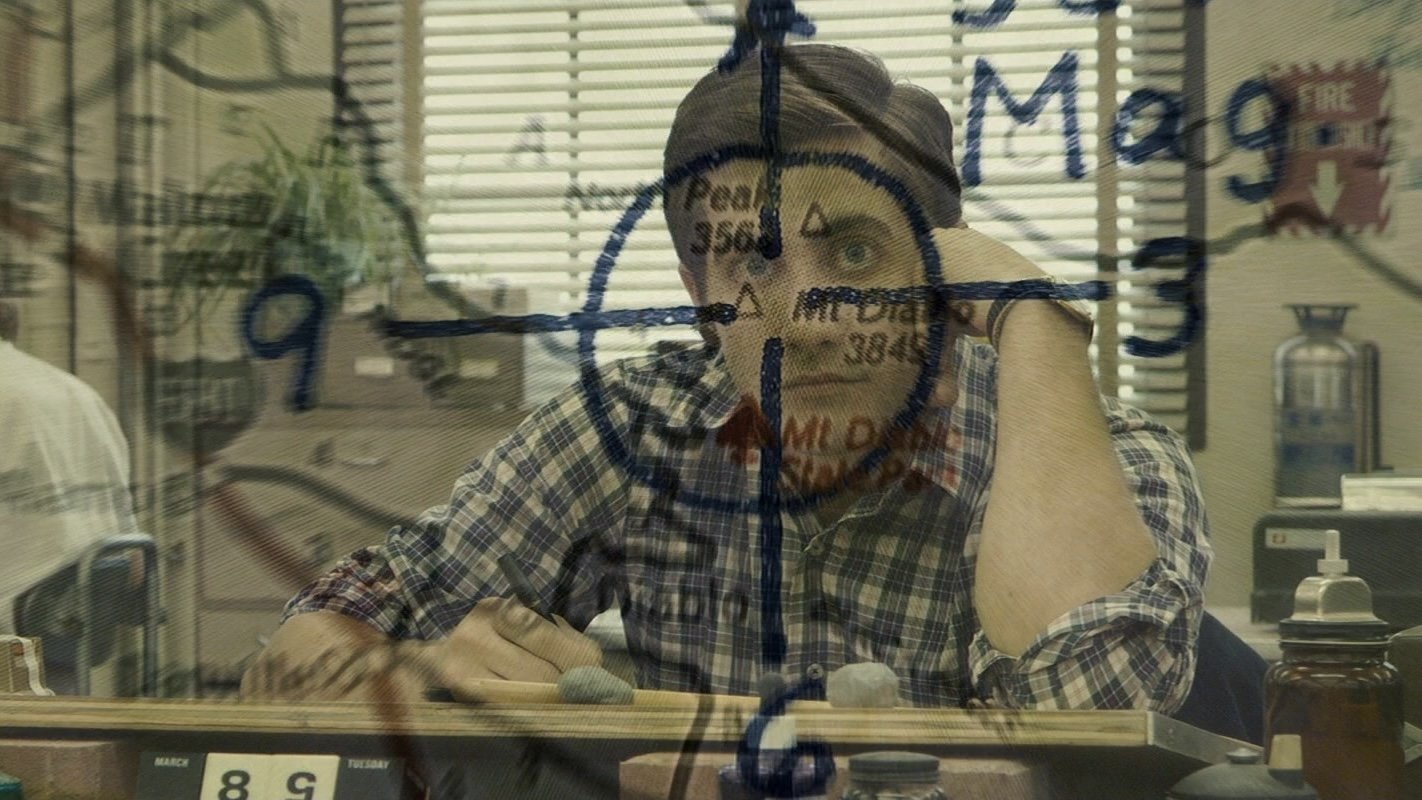
In Zodiac and Se7en, perfectionism is not simply a character trait or a stylistic preference. It is the logic through which the films breathe. It shapes how information is revealed, how time behaves, and how meaning is ultimately denied. These films are not about solving crimes. They are about what happens when the human need for order collides with a universe that refuses to be ordered.
Perfectionism as a Moral Framework
In Fincher’s world, perfectionism replaces faith. Characters do not believe that truth will emerge naturally or that justice has an inherent trajectory. They believe that if they look harder, catalogue more precisely, and eliminate error, the world might finally make sense.
- In Se7en: This impulse appears twisted and grotesque. John Doe’s killings are executed with obsessive precision, each murder constructed as a moral equation.
- In Zodiac: Perfectionism takes a quieter, more corrosive form. There is no grand design that resolves into revelation. Instead, there is endless accumulation.
The horror does not come from chaos, but from absolute control.
The Architecture of Control
Fincher’s visual language mirrors this obsession with exactness. Frames are geometrically balanced. Camera movements are deliberate and unshowy. Even moments of violence are staged with restraint, as if excess emotion would contaminate the structure.

In Se7en, the city feels sealed and airless, not because of constant darkness, but because nothing is allowed to spill beyond its designated place. Disorder exists, but it is contained within an oppressive system.
Zodiac pushes this even further. The film’s digital precision, subdued color palette, and procedural pacing create a sensation of watching reality under a microscope. Scenes stretch not because they are dramatic, but because they are thorough.
Obsession Without Resolution
Traditional thrillers reward obsession. The detective who refuses to let go is eventually proven right. Fincher denies this reward. He builds systems that look capable of producing truth, then demonstrates their insufficiency.
| Feature | Se7en | Zodiac |
|---|---|---|
| The Resolution | Solved, but at the cost of moral annihilation. | No completion. Leads dissolve, evidence decays. |
| The Cost | Immediate destruction. | Gradual calcification of life. |
| Nature of Truth | A trap set by a killer. | Unreachable; reality refuses to align. |
Perfectionism as Illusion
What ultimately connects Se7en and Zodiac is Fincher’s skepticism toward perfection itself. Perfection promises closure. It promises that if enough variables are controlled, meaning will emerge. Fincher treats this promise as dangerous.
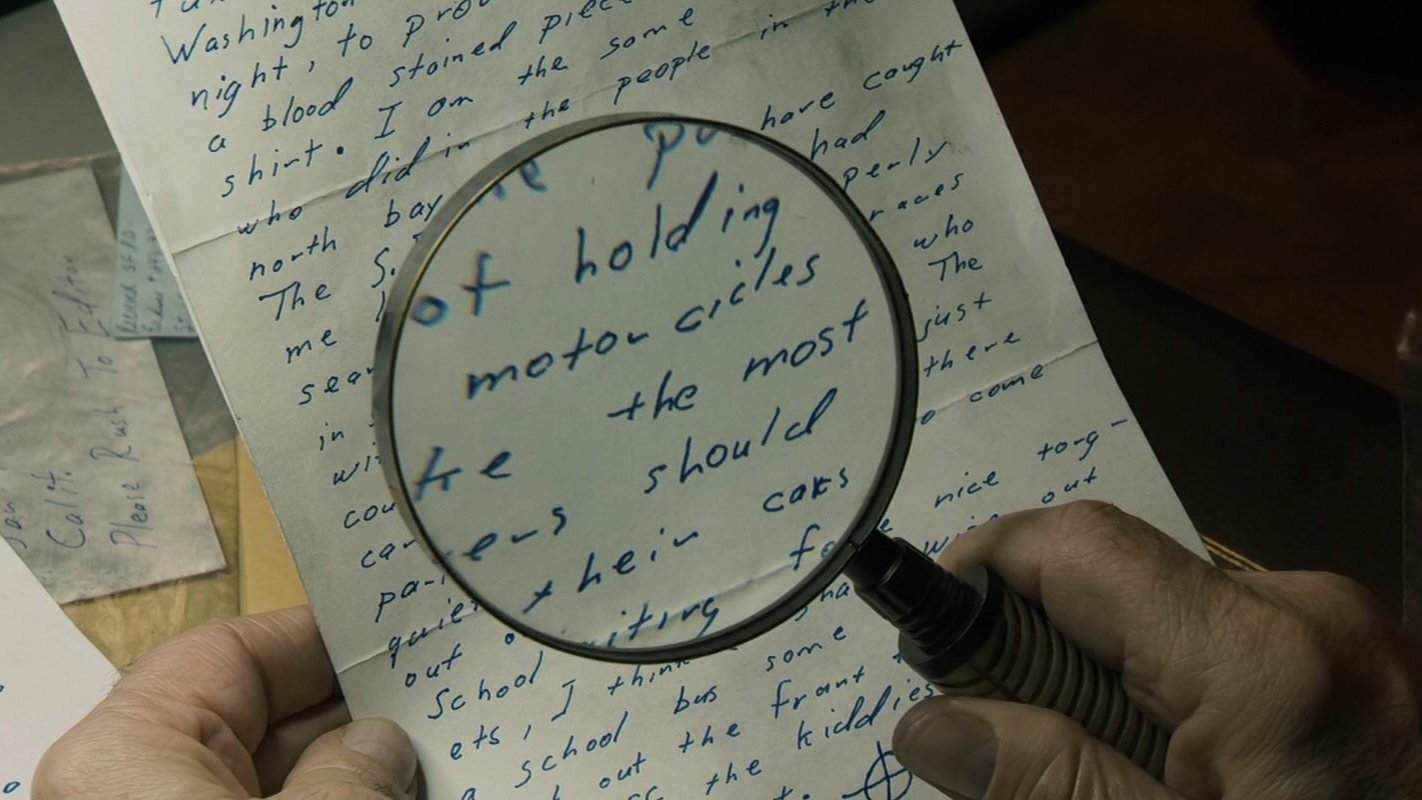
The universe in these films does not reward diligence with clarity. It rewards it with exhaustion. Se7en shows what happens when perfectionism hardens into ideology. Zodiac shows what happens when it becomes a lifelong habit.
Conclusion
Neither film offers comfort. Neither offers answers. What they offer instead is an unflinching portrait of the human need to believe that the world can be solved, and the quiet terror of realizing that it cannot.