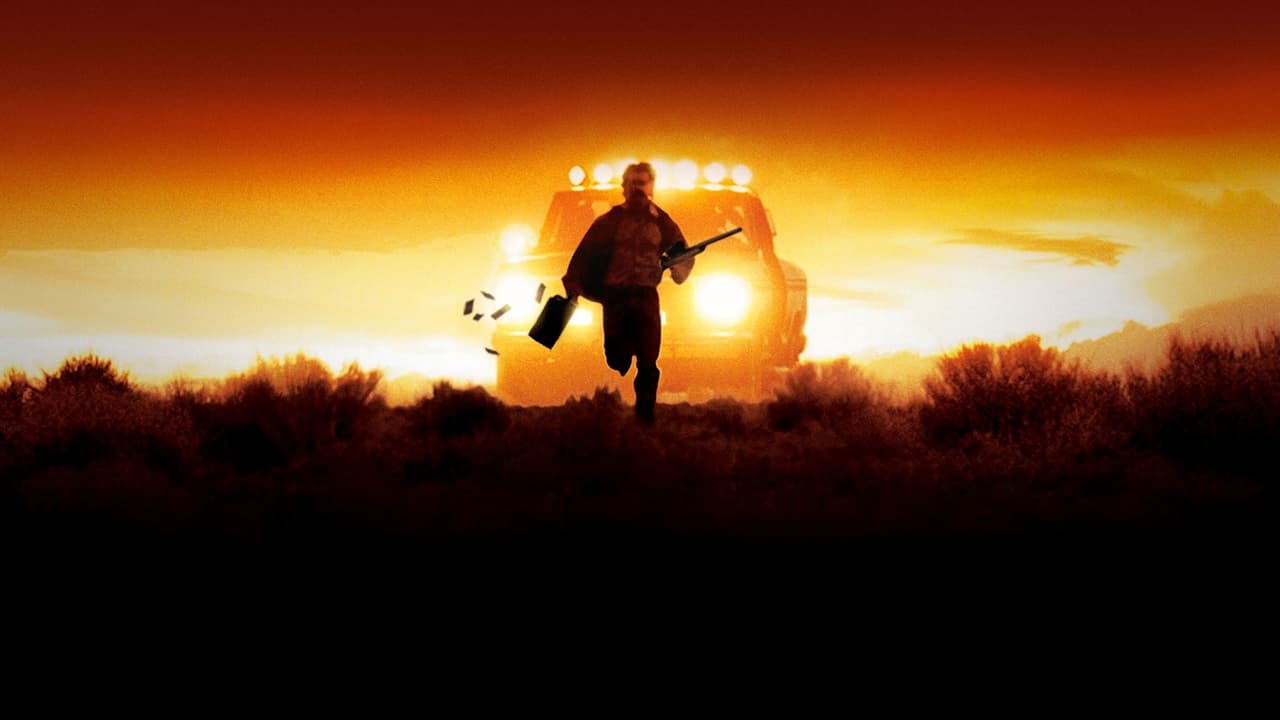
In 2007, the Coen Brothers released a neo-western that felt fundamentally different from its peers. It was tense, visceral, and relentlessly cold. While audiences walked away haunted by Javier Bardem’s Anton Chigurh, many didn't realize until the credits rolled that they had just sat through a two-hour thriller with almost zero musical score.
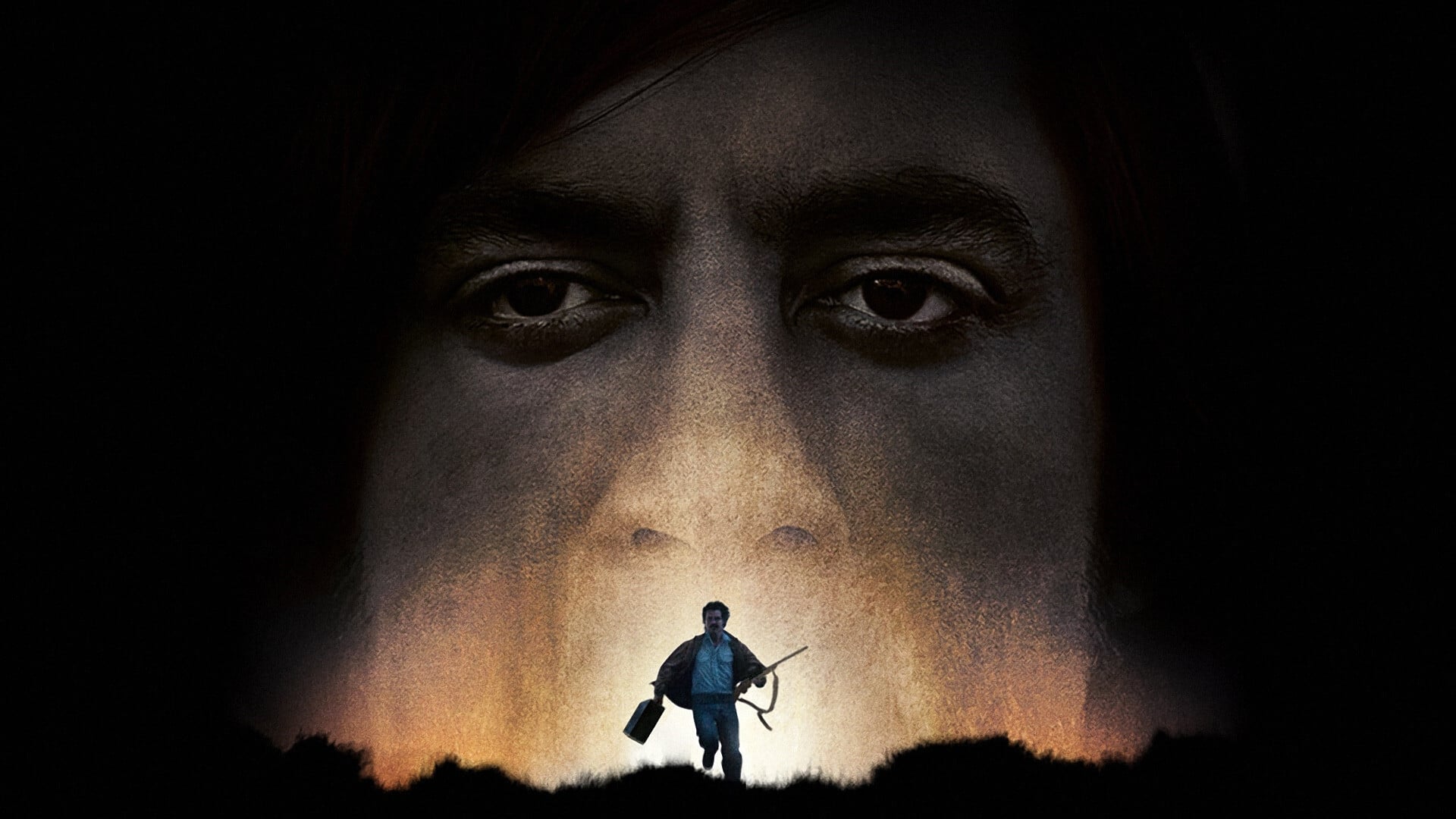
In an industry where strings swell to tell you when to be sad and percussion thumps to tell you when to be scared, the Coens chose total auditory nakedness. Here is why that decision was a masterstroke of cinematic design.
The Erasure of Safety
In traditional cinema, music acts as a "safety net." Even in a horror movie, the presence of a score reminds the subconscious that this is a curated experience. By stripping away the music, the Coens removed the barrier between the viewer and the screen.
When Llewelyn Moss is hiding in the dark, you aren't hearing a "suspense" track—you are hearing the same terrifyingly quiet wind he is.
Heightening the "Sonic Texture"
When you remove music, the "foley" (sound effects) becomes the lead actor. No Country for Old Men is not actually silent; it is incredibly loud with environmental detail. The Coens and their long-time sound designer, Skip Lievsay, focused on specific auditory triggers:
| Sound Element | Narrative Function |
|---|---|
| Candy Wrapper | Accentuating Chigurh’s clinical, detached nature. |
| Bolt Pistol (Thwip) | Making violence sound industrial and inevitable. |
| Gravel under boots | Emphasizing the vast, lonely distances of the desert. |
By removing a melodic score, the film forces your ears to become hypersensitive. Every floorboard creak becomes a jump scare.
A Reflection of Fate and Nihilism
Thematically, the film deals with a world that is changing into something unrecognizable. A traditional Western score usually carries a sense of heroism or destiny. The absence of music reinforces the nihilism of the story.
In Cormac McCarthy’s world, there is no grand harmony. There is no "theme song" for the hero because there is no traditional heroism. Death comes quietly, suddenly, and without a crescendo. The silence represents the indifference of the universe.
The 16-Minute Exception
Interestingly, the film isn't 100% silent. Composer Carter Burwell actually created about 16 minutes of "music," but it’s almost entirely sub-harmonic.
- The Method: He used singing bowls and low-frequency drones tuned to 60 Hertz.
- The Effect: This is the same frequency as the hum of a refrigerator. It creates physical anxiety without the audience realizing they are hearing a score.
I wanted the sound to come from the landscape. To make it feel like the wind was the orchestra.
— Carter Burwell
Conclusion
No Country for Old Men is a masterclass in subtraction. For a designer, it serves as a reminder that what you leave out is often more powerful than what you put in. By denying the audience the comfort of a score, the Coen Brothers created one of the most immersive and terrifying experiences in modern film history.